10 Common Challenges in Mass Email Marketing and How to Overcome Them
Introduction
Welcome to the wild world of mass email marketing! If you've ever tried to reach a crowd with your message and felt like you were shouting into a void, you're not alone. Mass email marketing can be a powerful tool, but it comes with its own set of challenges that can make even the most seasoned marketers pull their hair out.
Imagine trying to throw a party for 10,000 people. You’d need invitations, food, music-oh, and you’d want to make sure no one ends up in the wrong room or gets lost on the way. That’s what mass email marketing feels like! You want everyone to receive your message loud and clear without getting caught in spam filters or ending up in the dreaded promotions tab.
With the best email marketing service for mass email marketing campaigns to send unlimited emails, you can transform your outreach efforts from chaotic to cohesive. But first, let’s dive into why it’s crucial to address common challenges in this space.
Overview of Mass Email Marketing
Mass email marketing refers to sending out emails to a large group of recipients at once. This is typically done through email marketing platforms that allow businesses to manage their communications efficiently. These platforms often come with features such as:
- User-friendly interfaces for easy campaign creation
- Analytics tools for tracking engagement and performance
- Segmentation options for targeting specific audiences
- A/B testing capabilities for optimizing content
- Automation features for scheduling and sending emails at optimal times
The right combination of these features can elevate your campaigns from mediocre to magnificent.
Importance of Addressing Common Challenges
Tackling common challenges in mass email marketing isn't just about avoiding pitfalls; it's about maximizing your potential reach and impact. For instance, did you know that 49% of consumers said they would like to receive promotional emails from their favorite brands on a weekly basis? This statistic highlights the demand for effective communication-but only if done right!
If you're not addressing issues like deliverability rates, engagement metrics, or compliance with regulations (hello, GDPR!), you might be throwing money down the drain instead of building meaningful connections with your audience.
Key Takeaway: Understanding and overcoming these challenges will not only save you time and resources but also enhance your brand's reputation and customer loyalty.
The good news? We’ve got your back! In this post, we’re going to explore 10 common challenges in mass email marketing along with actionable strategies for overcoming them. From choosing the best bulk email sender tools to navigating compliance issues, we've got everything covered so you can launch successful high-volume email campaigns without breaking a sweat!
Challenge 1: Poor Email Deliverability
Ah, deliverability-the elusive unicorn of mass email marketing. You can craft the most stunning emails, but if they never land in your audience's inbox, it’s like sending a love letter on a sinking ship. So, let’s explore the ins and outs of poor email deliverability and how to turn that frown upside down!
Understanding Deliverability Issues
Email deliverability refers to the ability of your emails to successfully reach the inboxes of your recipients. It’s not just about hitting “send” and hoping for the best; it involves a complex interplay of factors that determine whether your carefully crafted message makes it through the digital gates.
Think of it like a bouncer at a club-only those on the VIP list get in. If your email isn't properly authenticated or if you have a history of spam complaints, you might find yourself left out in the cold.
Factors Affecting Deliverability Rates
Several elements can impact your email deliverability rates. Here are some key culprits:
- Sender Reputation: Your domain's reputation is crucial. If you’ve been flagged for spamming, good luck getting past that bouncer!
- Email Authentication: Implementing protocols like SPF, DKIM, and DMARC can help validate your emails as legitimate.
- Engagement Rates: Low open rates can signal to ISPs that people don’t want your emails-yikes!
- List Hygiene: Regularly cleaning your email list ensures you're not sending messages to inactive or invalid addresses.
- Content Quality: Avoid spammy words and phrases; they can trigger filters faster than you can say "unsubscribe."
Best Practices for Improving Deliverability
If you want to improve your chances of landing in inboxes rather than spam folders, consider these best practices:
- Authenticate Your Emails: Set up SPF, DKIM, and DMARC records to prove you're not an imposter.
- Maintain List Hygiene: Regularly remove inactive subscribers and invalid emails from your list.
- Create Engaging Content: Write compelling subject lines and content that encourages opens and clicks.
- A/B Test Your Campaigns: Experiment with different send times, subject lines, and content types to see what resonates best with your audience.
- Select the Right Email Marketing Service: Choose the best email marketing service for mass email marketing campaigns to send unlimited emails. Look for platforms with strong deliverability rates and robust support.
Email Fact: According to Statista, the average click-through rate (CTR) for email campaigns in the United States is 2.6%. This highlights how crucial it is to ensure your emails actually reach their intended destinations!
Tackling poor deliverability isn’t just about fixing issues as they arise; it's about proactively setting yourself up for success from day one. By focusing on these strategies and choosing reliable mass mailing services that prioritize high deliverability rates, you'll be well on your way to crafting effective email campaigns that truly connect with your audience.
Your next step? Evaluate your current email marketing platform! Are they providing you with the tools needed for success? If not, it might be time for an upgrade-after all, who wants their messages stuck at the door?
Challenge 2: Low Open Rates
Low open rates are like throwing a party and no one showing up. You’ve sent out all those invites (emails), but your friends (subscribers) are nowhere to be found! This is a common challenge in mass email marketing that can leave you scratching your head and wondering where you went wrong. Let's dive into how to tackle this issue head-on.
Analyzing Open Rate Statistics
First things first, let’s talk numbers. According to recent studies, the average open rate for email campaigns hovers around 20% to 25%. That means if you’re sending 1,000 emails, only about 200-250 people are actually reading what you’ve worked so hard to create. Ouch!
Understanding these statistics is crucial because they can help you identify trends over time and assess the effectiveness of your campaigns. If you're consistently below that average, it’s time for some serious introspection.
Strategies to Enhance Subject Lines
Your subject line is like the cover of a book; it needs to grab attention and entice readers to dive in. Here are some strategies to craft subject lines that pop:
- Be Concise: Aim for 50 characters or less. Shorter subject lines tend to perform better on mobile devices.
- Create Urgency: Use phrases like “Last chance” or “Limited time offer” to encourage quick action.
- Add Personalization: Including the recipient's name can increase open rates by up to 26%.
- A/B Test Subject Lines: Experiment with different variations and analyze which ones resonate most with your audience.
By focusing on these strategies, you’re not just throwing darts in the dark; you're making calculated moves towards higher engagement rates!
The Role of Sender Reputation in Open Rates
Your sender reputation is like your online dating profile-it needs to be stellar if you want anyone to take notice! If your emails have been flagged as spam or if recipients frequently ignore them, ISPs will take note, and your open rates will plummet faster than a bad date.
Here are some key factors that affect your sender reputation:
- Bounce Rates: High bounce rates signal poor list hygiene and can damage your reputation.
- Spam Complaints: If recipients mark your emails as spam, it’s a red flag for ISPs.
- Engagement Metrics: Low engagement can lead ISPs to classify you as untrustworthy.
Quick Tip: Regularly clean your email list by removing inactive subscribers. This not only boosts engagement but also helps maintain a positive sender reputation!
The takeaway? Building and maintaining a solid sender reputation is essential for improving open rates. Choose the best email marketing service for mass email marketing campaigns to send unlimited emails, ensuring they provide tools that help monitor and enhance your reputation over time.
If you're looking for an effective way to boost those open rates, start by analyzing what’s working (and what isn’t). Implement these strategies today, and watch as more subscribers start engaging with your content!
Challenge 3: High Bounce Rates
High bounce rates can feel like a punch to the gut when you're trying to connect with your audience. It’s like throwing a message in a bottle into the ocean, only to find out that half of them never even left the shore! Understanding and addressing bounce rates is crucial for ensuring your mass email marketing efforts are effective and not just floating aimlessly.
Differentiating between Hard and Soft Bounces
First, let’s break down the two types of bounces because knowing the difference can save you from unnecessary heartbreak:
- Hard Bounces: These occur when an email cannot be delivered due to permanent reasons, such as an invalid email address or a non-existent domain. Think of it as sending a letter to Hogwarts but realizing that it doesn’t exist (sorry, Harry).
- Soft Bounces: These are temporary delivery issues, such as a full inbox or server problems. It’s like trying to call your friend who’s having a bad phone day. They’ll eventually get back to you!
Understanding these distinctions helps you take appropriate action-remove hard bounces from your list and keep an eye on soft bounces for potential follow-ups.
Methods to Clean and Maintain Email Lists
A clean email list is like having an organized closet-you know exactly what you have and can easily find what you need! Here are some effective methods for keeping your lists squeaky clean:
- Regularly Remove Inactive Subscribers: If someone hasn’t engaged with your emails in over six months, it might be time to say goodbye.
- Use Double Opt-Ins: This ensures that subscribers genuinely want to receive your emails, reducing hard bounces right from the start.
- Monitor Engagement Metrics: Keep tabs on open rates and click-through rates; if they’re consistently low, consider purging those addresses.
- Utilize Email Verification Tools: Services like NeverBounce or ZeroBounce help validate email addresses before you hit send. Think of them as personal trainers for your email list!
A well-maintained list not only reduces bounce rates but also boosts overall engagement-making every send count!
Using Tools to Monitor Bounce Rates Effectively
If you want to stay ahead of bounce issues, leveraging technology is key. Here are some tools that can help monitor and manage bounce rates effectively:
- Analytics Dashboards: Most email marketing platforms, such as Mailchimp or Sendinblue, provide detailed analytics on bounce rates so you can track performance over time.
- Email Validation Services: Integrate tools that automatically verify emails at sign-up; this helps keep your list fresh and reduces hard bounces.
- Feedback Loops: Some ISPs offer feedback loops allowing you to see how many users marked your emails as spam-use this info wisely!
Email Insight: According to research by Mailgun, the average bounce rate for email campaigns is around 0.7%. Keeping yours below this threshold should be the goal!
Tackling high bounce rates isn't just about cleaning up after the fact; it's about putting systems in place so they don’t happen in the first place! By understanding the differences between hard and soft bounces, maintaining a clean list, and utilizing effective tools for monitoring performance, you'll set yourself up for success in your mass email marketing campaigns.
Your next move? Evaluate how effectively you're currently managing your email lists. If you're using the best email marketing service for mass email marketing campaigns to send unlimited emails, make sure they offer robust features for tracking bounce rates-because nobody likes unwanted surprises!
Challenge 4: Spam Complaints and Unsubscribes
Spam complaints and unsubscribes are like the bad apples in your email marketing basket. One or two might be manageable, but when they start piling up, it can spoil the whole bunch! Understanding how to tackle these issues is crucial for maintaining a healthy email list and ensuring your messages reach the right audience.
The Impact of Spam Complaints on Campaigns
Spam complaints can have a ripple effect on your email deliverability. When recipients mark your emails as spam, it signals to Internet Service Providers (ISPs) that you might not be the trustworthy sender you claim to be. This can lead to:
- Lower Deliverability Rates: ISPs may start filtering your emails into spam folders instead of inboxes.
- Damaged Sender Reputation: A poor reputation can take time to recover from, affecting future campaigns.
- Increased Unsubscribe Rates: If people feel bombarded with unwanted emails, they are more likely to opt out altogether.
To put it simply: spam complaints are the nemesis of any mass email marketing campaign. It’s essential to keep them in check!
Tactics to Reduce Unsubscribe Rates
No one likes being ignored, and neither do your subscribers! Here are some effective tactics to keep those unsubscribe rates low:
- Segment Your Audience: Use email marketing platforms that allow for segmentation. Tailor content based on user behavior and preferences.
- Personalize Your Emails: Personalized content makes subscribers feel valued. Use their names or recommend products based on their past purchases.
- Create Engaging Content: Quality over quantity! Provide valuable information that resonates with your audience's interests.
- A/B Test Your Campaigns: Experiment with different subject lines, send times, and content formats to see what keeps subscribers engaged.
- Make Unsubscribing Easy: Ironically, making it easy for users to unsubscribe can reduce spam complaints. If they feel trapped, they'll hit that spam button instead!
The goal is not just about keeping people on your list but fostering a genuine connection that encourages engagement rather than disengagement!
Creating a Positive Subscriber Experience
A positive subscriber experience is like a warm hug after a long day-it makes all the difference! Here’s how you can create an environment where subscribers feel appreciated and valued:
- Welcome Emails: Send a warm welcome email when someone subscribes. This sets the tone for what they can expect from you moving forward.
- Regular Feedback Requests: Ask for feedback through surveys or polls. Show them you care about their opinions and are willing to adapt based on their needs.
- Create Valuable Content:** Regularly provide informative articles, tips, discounts, or exclusive offers that resonate with your audience's interests.
Email Insight: According to recent studies, the average unsubscribe rate across industries is around 0.2% - 0.5%. Keeping yours below this threshold should be a priority!
Your next step? Evaluate how well you're currently engaging with your subscribers! Are you using the best email marketing service for mass email marketing campaigns to send unlimited emails? Ensure they offer robust features for tracking engagement metrics and improving subscriber experiences because happy subscribers lead to successful campaigns!

Challenge 5: Content Relevance and Engagement
Content relevance and engagement are the bread and butter of successful mass email marketing. If your emails are like that one friend who always talks about their cat’s latest antics, you’re bound to lose your audience's attention fast! In the vast ocean of inboxes, you want to be the email that stands out, not the one that gets lost in the spam abyss.
The Importance of Targeted Content Strategies
Imagine walking into a coffee shop where every drink is tailored just for you. That’s how targeted content strategies work in email marketing! By delivering personalized and relevant content, you can create a unique experience for each subscriber. Here’s why it matters:
Higher Open Rates: Personalized emails have been shown to improve open rates by up to 29%. Increased Engagement: When subscribers see content that resonates with them, they’re more likely to click through. Better Conversion Rates: Relevant content leads to higher chances of conversion, whether it's a sale or a sign-up.To achieve this, leverage email marketing platforms that offer segmentation features. Group your audience based on interests, demographics, or past behaviors to send tailored messages that speak directly to them!
Segmentation Techniques for Better Engagement
Segmentation is like having a playlist for every mood; it helps you deliver the right message at the right time. Here are some effective segmentation techniques:
Demographic Segmentation: Group subscribers by age, gender, location, etc., to tailor your content accordingly. Behavioral Segmentation: Analyze past interactions (like clicks or purchases) to send targeted promotions or recommendations. Engagement Level: Identify highly engaged subscribers versus those who haven’t interacted in a while. Send re-engagement campaigns to win back the latter! Email Preferences: Allow subscribers to choose their content preferences during sign-up. This way, they only receive what interests them!The beauty of segmentation lies in its ability to make your campaigns feel less like mass emails and more like personal conversations. People love feeling special!
A/B Testing for Content Optimization
If you're not A/B testing your emails, it’s like throwing spaghetti at the wall and hoping something sticks! A/B testing allows you to experiment with different elements of your emails-subject lines, images, call-to-action buttons-and see what resonates best with your audience.
Here’s how you can effectively implement A/B testing:
Select One Variable at a Time: Whether it's subject lines or images, focus on one element so you can accurately measure its impact. Create Two Variations: Develop two versions of your email with slight differences. Aim for Statistical Significance: Ensure you have enough data before drawing conclusions; aim for at least a few hundred opens per variation. Anayze Results: Use analytics tools from top email marketing software to assess which version performed better and why.Email Insight: Studies show that A/B testing can lead to an increase in conversion rates by up to 49%. It’s worth investing time into!
The takeaway? Regularly optimizing your content through A/B testing ensures you're not just sending out emails but crafting compelling messages that engage and convert. Combine this with the best email marketing service for mass email marketing campaigns to send unlimited emails, and you'll be well on your way to mastering engagement!
Your next step? Take a hard look at your current content strategies. Are they resonating with your audience? If not, it might be time for some tweaks-after all, nobody wants their emails ending up in the dreaded trash bin!
Challenge 6: Compliance with Regulations (e.g., GDPR, CAN-SPAM)
Ah, compliance-it's the necessary evil of mass email marketing. Navigating the legal landscape can feel like trying to solve a Rubik's Cube while blindfolded. But fear not! With the right strategies and tools, you can ensure your campaigns not only reach inboxes but also stay on the right side of the law.
Navigating Legal Requirements for Email Marketing
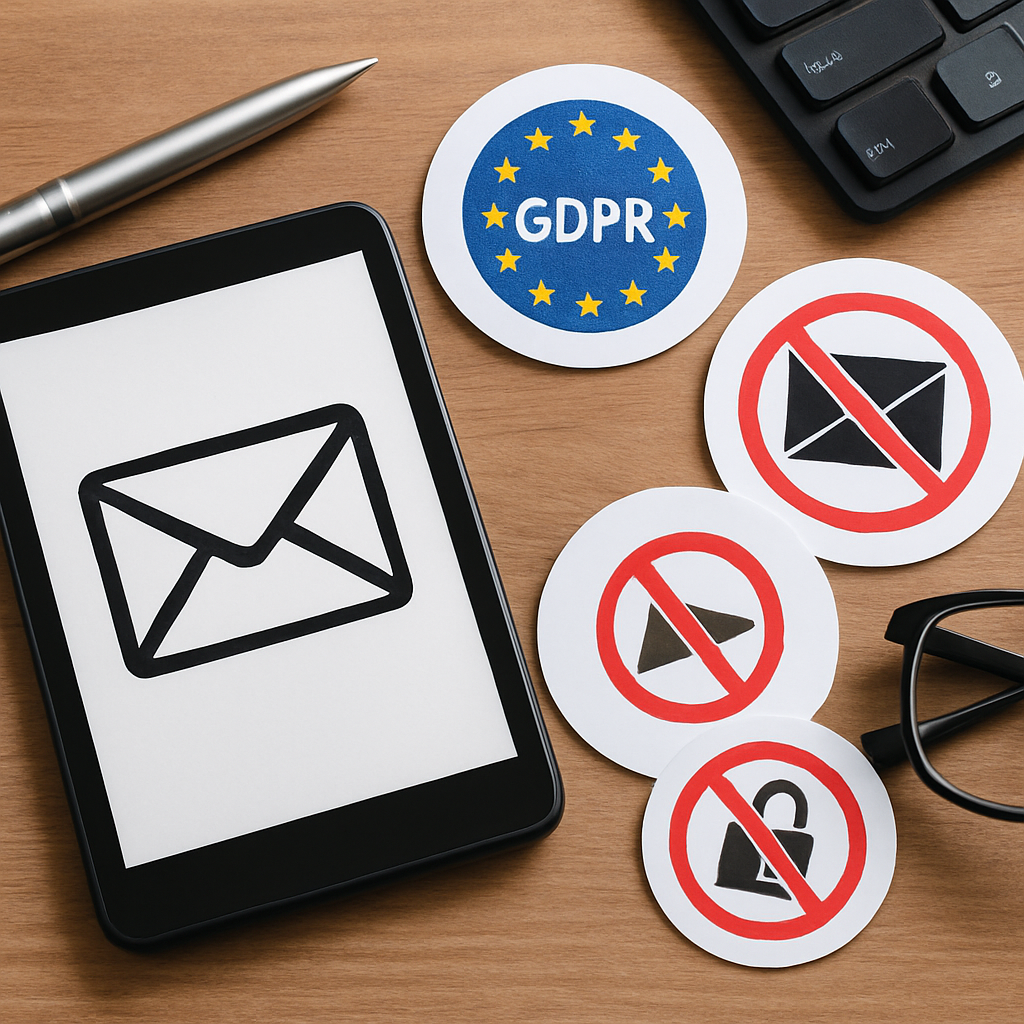
Understanding regulations such as GDPR (General Data Protection Regulation) and CAN-SPAM is crucial for any marketer. Think of these laws as the traffic signals of email marketing; ignore them, and you could end up in a collision course with hefty fines!
GDPR: This regulation applies to anyone collecting data from EU citizens. You need explicit consent to send marketing emails and must provide an easy opt-out option. CAN-SPAM: This U.S. law requires clear identification of your emails as advertisements, along with a physical address and an easy way for recipients to unsubscribe.By familiarizing yourself with these laws and integrating compliance into your email strategy, you can avoid legal headaches down the road.
The Significance of Consent in Mass Emailing Campaigns
Consent is like the golden ticket in Willy Wonka's factory-it grants access to a world of possibilities! Without it, you're just another spammer lurking in the shadows. Here’s why obtaining consent is non-negotiable:
Builds Trust: Gaining permission from subscribers fosters trust and enhances brand loyalty. Improves Engagement Rates: Emails sent to consenting recipients are more likely to be opened and engaged with. Legal Protection: Complying with consent requirements protects you from fines and legal issues.The takeaway? Always prioritize obtaining consent through double opt-in methods or clear sign-up forms that explain what subscribers can expect from your emails.
Tips for Maintaining Compliance While Maximizing Reach
Maintaining compliance doesn't have to mean sacrificing reach! Here are some actionable tips to strike that perfect balance:
Select the Right Email Marketing Service: Choose the best email marketing service for mass email marketing campaigns to send unlimited emails. Look for platforms that offer built-in compliance features like automated unsubscribe options and consent tracking. Create Transparent Sign-Up Forms: Ensure your forms clearly outline what subscribers are signing up for-no hidden agendas! Regularly Audit Your Lists: Periodically check your subscriber lists to ensure all recipients have opted in correctly. Remove unverified contacts promptly! Train Your Team: Make sure everyone involved in email marketing understands compliance regulations. Knowledge is power!Email Insight: According to recent research, companies that prioritize compliance see a 30% increase in customer trust levels. That's a win-win!
Your next step? Evaluate your current processes for obtaining consent and maintaining compliance. If you're not using the best bulk email sender tools, consider switching to a platform that offers comprehensive solutions tailored for high-volume email campaigns while keeping you compliant!
Challenge 7: Lack of Personalization in Emails
Lack of personalization in emails is like serving a one-size-fits-all meal at a dinner party. Sure, it might fill bellies, but it won't win any culinary awards! In the world of mass email marketing, personalization is key to engaging your audience and making them feel special. Let’s explore how to add that personal touch to your campaigns!
Techniques for Effective Personalization
Personalization goes beyond just inserting the recipient's name in the subject line. Here are some techniques to make your emails feel tailor-made:
Segment Your Audience: Divide your email list based on demographics, interests, or past behaviors. This allows you to send targeted messages that resonate with specific groups. Dynamic Content: Use dynamic content blocks that change based on the recipient's preferences or previous interactions with your brand. It's like having a custom playlist for each subscriber! Behavioral Triggers: Set up automated emails triggered by specific actions, such as abandoned carts or recent purchases. These timely messages can significantly boost engagement. Personalized Recommendations: Use data from past purchases or browsing history to suggest products or content tailored to each subscriber's interests.The goal? Make your subscribers feel like you’re speaking directly to them rather than sending out generic blasts!
Tools to Implement Personalization at Scale
If you're scratching your head about how to personalize at scale without losing your mind (or sanity), fear not! Here are some powerful tools that can help:
Email Marketing Platforms: Look for the best email marketing service for mass email marketing campaigns to send unlimited emails. Platforms like Mailchimp, ActiveCampaign, and HubSpot offer advanced segmentation and dynamic content features. CRM Systems: Integrate Customer Relationship Management (CRM) tools like Salesforce or Zoho CRM with your email marketing platform. This allows you to gather valuable customer insights and tailor communications accordingly. AI-Powered Solutions: Leverage AI tools that analyze customer behavior and preferences to automate personalized content delivery across various channels. Analytics Tools: Use analytics from your email campaigns to track engagement metrics and refine your personalization strategies over time.Email Insight: Research shows that personalized emails can lead to 6 times higher transaction rates. That’s an impressive ROI just for adding a personal touch!
The takeaway? Embrace personalization as a core strategy in your mass email marketing efforts. By utilizing effective techniques and leveraging robust tools, you can create compelling experiences that resonate with each unique subscriber. Remember, people love feeling valued; make sure they know you care!Your next step? Evaluate how personalized your current campaigns are! If you're not using the best bulk email sender tools, consider switching platforms that offer customizable mass mailing software solutions designed for high-volume email campaigns while keeping everything personal!